Base Metal

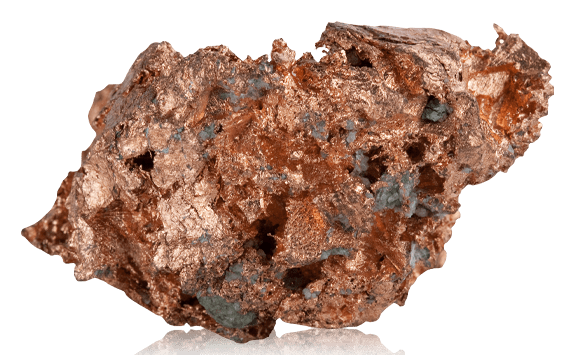
In base metal operations—including copper, nickel, zinc, lead, and polymetallic deposits—feed variability directly impacts recovery, reagent consumption, energy use, and concentrate quality.
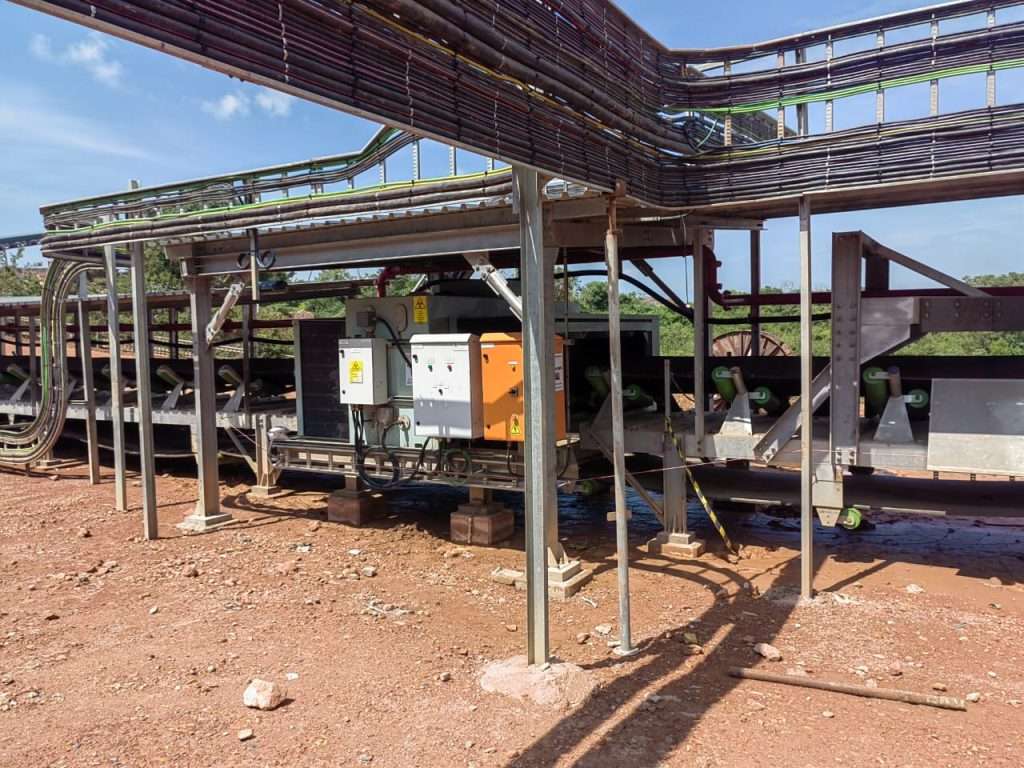
Real-time online elemental analysers provide continuous measurement of key elements on conveyor belts, enabling immediate control of ore classification, blending, and plant feed composition.

Key Operational Benefits

1. Accurate Ore Classification & Feed Control

Variability in Cu, Ni, Zn, Pb, Fe, S, SiO₂, Al₂O₃, CaO, MgO, and deleterious elements (e.g. As) affects flotation performance and concentrate quality.
Real-time analysers enable:
Client Value:
Improved plant feed consistency and reduced dilution of valuable metal units.
Example Use Case:
At a copper operation, real-time Cu and silica measurements allow high-grade sulphide ore to be separated from low-grade or oxide material, ensuring optimal feed to the flotation circuit.
Ask Scanmin about Cu results from operations in the DRC and Peru

2. Optimised Blending for Stable Metallurgical Performance

Consistent feed composition is critical for flotation stability and recovery.
Real-time data allows:
Client Value:
Stable flotation conditions, improved recovery, and predictable concentrate quality.
Example Use Case:
A polymetallic plant blends ore sources in real time to maintain a consistent Zn/Pb ratio and control iron content, stabilising flotation selectivity.

3. Improved Recovery and Reduced Reagent Consumption

Feed chemistry directly influences reagent demand and metallurgical response.
Real-time measurement supports:
Client Value:
Lower reagent costs and higher metal recovery.
Example Use Case:
In a nickel sulphide operation, real-time monitoring of sulphur and iron enables more precise reagent control, improving nickel recovery while reducing reagent consumption.

4. Enhanced Product Quality & Reduced Penalties

Concentrate quality is highly sensitive to feed composition and impurity levels.
Real-time analysers help to:
Client Value:
Improved payable metal and reduced commercial risk.
Example Use Case:
Continuous arsenic monitoring allows diversion or dilution of problematic ore, preventing penalties in copper concentrate sales.

5. Faster Decisions, Reduced Sampling Dependence

Laboratory analysis delays limit the ability to respond to feed variability.
Online analysers provide:
Client Value:
Proactive process control and reduced operational lag.
Example Use Case:
Operators adjust feed blending ratios in real time when grade drops are detected, avoiding recovery losses in the flotation circuit.

6. Improved Mass Balance & Metal Accounting

Accurate measurement of elemental composition improves reconciliation and reporting.
Real-time data enables:
Client Value:
Greater confidence in production reporting and improved operational transparency.
Example Use Case:
A copper concentrator improves reconciliation between ROM feed, plant head grade, and concentrate output using continuous elemental measurement.

7. Reduced Operational Risk & Environmental Impact

Consistent feed and improved control reduce variability and associated risks.
Benefits include:
Client Value:
Safer, more stable, and environmentally responsible operations.
Example Use Case:
Stable feed chemistry reduces variability in tailings composition, improving tailings storage facility performance.

Value Summary

Benefit Area

Impact on Base Metal Operations

Feed Control

Stable head grade and composition

Blending Accuracy

Consistent flotation feed

Recovery Efficiency

Improved metal recovery

Reagent Optimisation

Lower reagent consumption

Product Quality

Reduced penalties and higher payable metal

Decision Speed

Real-time, proactive control

Mass Balance

Improved reconciliation and reporting

Risk Reduction

Fewer process disruptions

Implementation Approach

Bottom Line

Real-time elemental grade analysers enable base metal operations to move from reactive to proactive process control.
By providing continuous, accurate measurement of feed composition before processing, they deliver:
Outcome: stronger margins, reduced risk, and improved overall performance across base metal operations.

Send us a message